
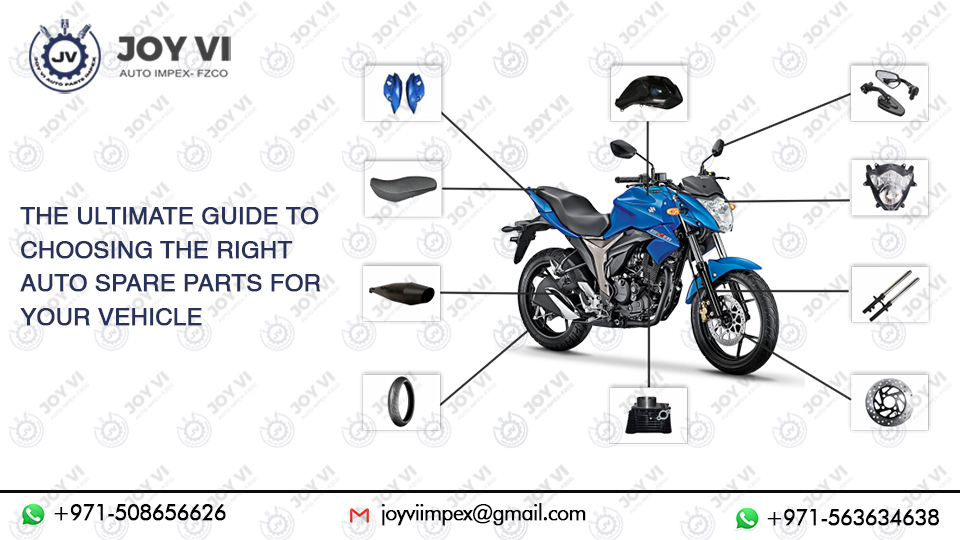
Choosing the right auto spare parts is essential for maintaining your vehicle’s performance, safety, and longevity. This guide covers the most important aspects, including types of parts, how to identify quality, compatibility considerations, and tips for buying online safely.
Let’s explore everything you need to know to make the best decision for your vehicle.
Understanding the Different Types of Auto Spare Parts
Auto spare parts can be categorized into three main types:
1. OEM (Original Equipment Manufacturer) Parts
Manufactured by the vehicle’s original maker
Designed specifically for your vehicle model
Offer guaranteed fit and reliability
Usually come with a manufacturer warranty
Higher in price compared to other options
2. Aftermarket Parts
Manufactured by third-party companies
Available in a wide range of quality levels
Generally more affordable than OEM
Quality and fitment can vary depending on the brand
3. Used Parts
Pre-owned parts removed from other vehicles
Most budget-friendly option
May show wear and tear
Typically limited or no warranty coverage
Price vs. Longevity of Auto Parts
| Part Type | Average Lifespan | Relative Cost Level |
|---|---|---|
| OEM Parts | 10 years | High |
| Aftermarket Parts | 8 years | Medium |
| Used Parts | 4 years | Low |
Explanation
OEM Parts: Longest lifespan and highest reliability, but priced at a premium level.
Aftermarket Parts: Balanced option between price and durability.
Used Parts: Lower upfront cost but shorter lifespan and higher risk.
How to Identify Quality Spare Parts
To ensure you are purchasing reliable spare parts, consider these factors:
Certifications
| Certification | What It Ensures | Common Applications |
|---|---|---|
| ISO Certification | Consistent product quality | OEM and premium aftermarket parts |
| SAE Standards | Automotive safety and performance compliance | Brake pads, tires, electrical components |
| IATF 16949 | High production quality for automotive components | Engine and transmission parts |
Brand Reputation
Choose established brands with positive customer reviews and strong market presence.
Material Quality
Ensure parts are made from durable materials capable of handling heat, pressure, and wear.
The Importance of Compatibility
Selecting compatible parts is crucial. Incorrect fitment can lead to performance issues, safety risks, and costly repairs.
Common Compatibility Issues by Brand
| Vehicle Brand | Common Issue | Explanation |
|---|---|---|
| Toyota | Incorrect brake rotor size | Leads to poor braking performance |
| Ford | Electrical connector mismatch | Causes malfunctioning systems |
| Honda | Poorly fitting exhaust parts | Reduces engine efficiency |
| Chevrolet | Suspension misalignment | Affects handling and tire wear |
| Nissan | Loose air filter fit | Allows dirt into engine |
| Volkswagen | Incorrect transmission fluid | Causes shifting issues |
| Subaru | Improper timing belt fit | Risk of serious engine damage |
| Hyundai | Mismatched body panels | Can lead to rust and moisture damage |
Why Compatibility Matters
Prevents safety hazards
Maintains vehicle performance
Reduces long-term repair expenses
Protects manufacturer warranty
Always refer to your vehicle manual or consult a professional mechanic before purchasing.
Tips for Buying Auto Spare Parts Online Safely
Online purchasing is convenient but requires caution.
Research Insights
Counterfeit auto parts are increasingly common on unverified platforms, which can pose safety risks and performance issues.
Steps to Stay Safe
Check seller ratings and reviews
Use secure payment methods
Verify return and refund policies
Avoid deals that seem unrealistically cheap
Confirm part numbers before purchase
Estimated Fraud Frequency by Platform Type
| Platform Type | Relative Risk Level |
|---|---|
| Unknown or Untrusted Sites | Very High |
| Large Marketplace Platforms | Moderate |
| Trusted Retailer Websites | Low |
Trusted retailers typically have stronger verification systems and lower fraud rates.
Maintaining Your Vehicle with the Right Spare Parts
Routine maintenance ensures optimal vehicle performance.
Recommended Replacement Intervals
| Part | Replacement Interval | Importance |
|---|---|---|
| Brake Pads | Every 30,000 miles | Ensures safe braking |
| Air Filters | Every 15,000–30,000 miles | Improves airflow and engine efficiency |
| Spark Plugs | Every 50,000–100,000 miles | Maintains smooth engine operation |
Parts Contributing Most to Vehicle Performance
Engine Components (50%) – Directly affect power, efficiency, and reliability
Brake & Suspension Parts (30%) – Critical for safety and handling
Electrical Components (20%) – Support overall vehicle functionality
Investing in high-quality components in these areas significantly improves performance and longevity.
Conclusion: Make the Right Choice for Your Vehicle
Choosing the right auto spare parts—whether OEM, aftermarket, or used—requires careful consideration of quality, compatibility, and seller reputation.
Investing in reliable parts ensures:
Better performance
Enhanced safety
Longer vehicle lifespan
Reduced long-term repair costs
By following these guidelines, you can confidently maintain your vehicle and avoid unnecessary expenses in the future.